
Old School RuneScape (OSRS) gambling has transformed dramatically since the game’s inception, evolving from simple player-driven activities to sophisticated external platforms. This evolution reflects both player ingenuity and the ongoing cat-and-mouse game between gamblers and Jagex’s regulatory efforts. Understanding this journey provides valuable insight into how virtual economies develop their own financial ecosystems, often mirroring real-world gambling behaviors and challenges.
From the early days of flower poker and dice games to today’s third-party Runescape gambling sites, this article traces the complete history of OSRS gambling. We’ll explore the methods, motivations, and consequences of this controversial yet persistent aspect of the RuneScape community, providing a comprehensive overview for both newcomers and veteran players alike.
The In-Game Beginnings of OSRS Gambling
OSRS gambling began organically within the game world, driven by player creativity and the desire for high-risk, high-reward activities. These early gambling methods relied heavily on trust between players, as the game itself had no built-in mechanisms to enforce gambling outcomes.
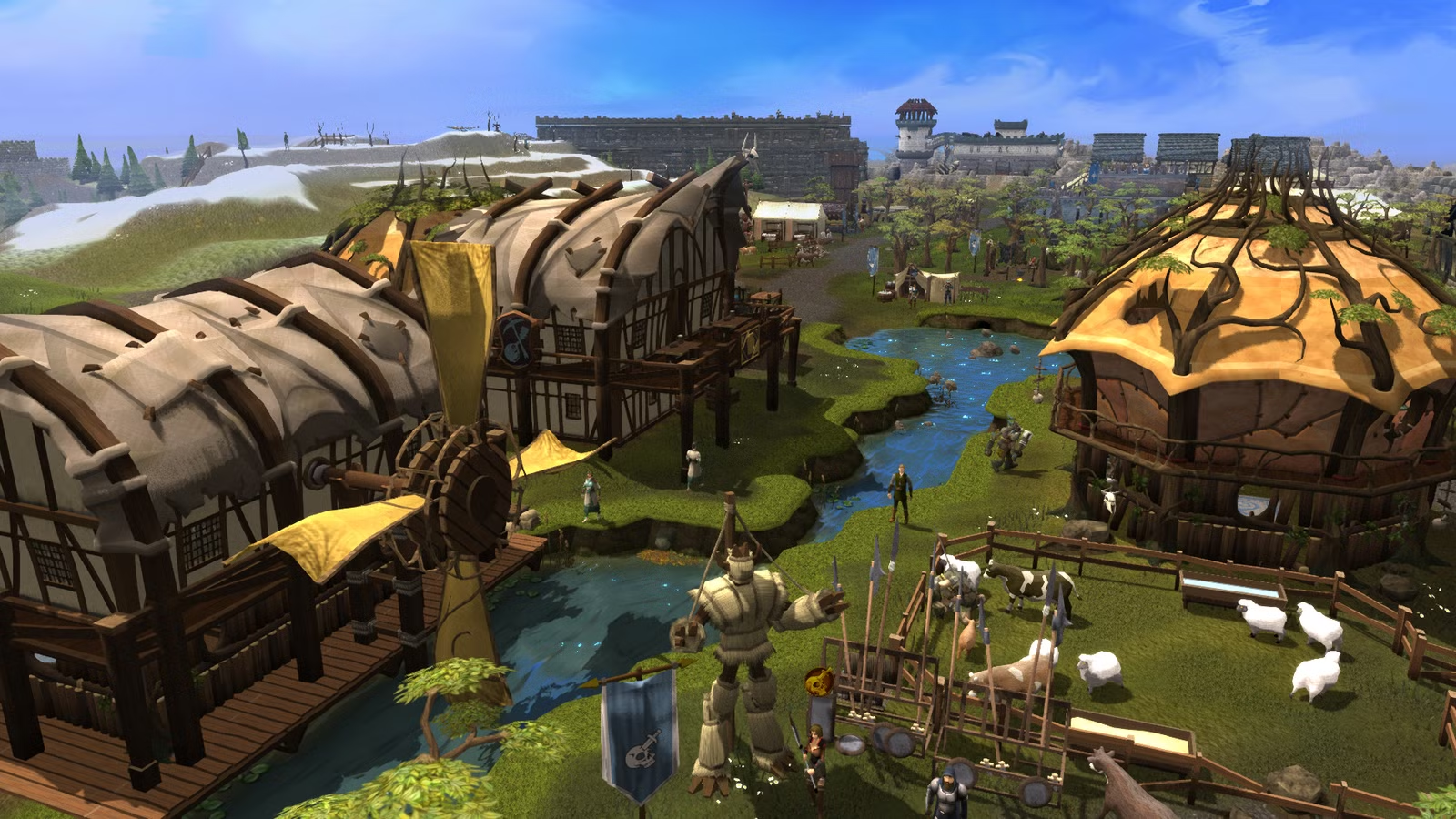
Early OSRS gambling often took place at popular trading spots like the Grand Exchange
Flower Poker and “Trust” Games
Flower poker emerged as one of the earliest forms of Runescape gambling, utilizing the game’s mithril seed mechanic. Players would plant seeds that spawned random colored flowers, with different combinations representing poker hands. This creative adaptation of real-world poker became immensely popular despite its reliance on the honor system.
How Flower Poker Worked: Players would plant five mithril seeds, producing flowers of various colors. These colors would be interpreted as poker hands (e.g., three red flowers might represent “three of a kind”). The player with the best “hand” would win the predetermined pot.
Beyond flower poker, other trust-based gambling games emerged, including “hot/cold” (betting on whether a flower would be a “hot” or “cold” color) and various dice-based games simulated through chat messages. These primitive gambling methods laid the foundation for what would become a sophisticated gambling ecosystem.
The Rise of Dice Bag Gambling
When Jagex introduced the dice bag as a legitimate game item, it quickly became repurposed as a gambling tool. The item allowed players to roll virtual dice with results displayed in the chat, providing a more structured gambling mechanism than flower poker.
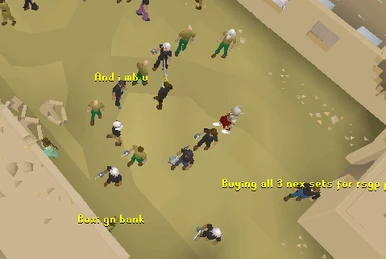
Dice hosts would advertise their services, often claiming specific odds and minimum bet amounts. Players would trade their gold to the host, who would then roll the dice. If the player won based on predetermined conditions, the host would return the original stake plus winnings. This system still relied heavily on trust, leading to numerous scams and eventually prompting Jagex to remove the dice bag from the game.
Duel Arena Staking: The Official “Casino”
The Duel Arena emerged as OSRS’s closest equivalent to an official casino. Originally designed for player-versus-player combat, it evolved into the game’s primary gambling hub through “staking” – wagering in-game currency on duel outcomes.
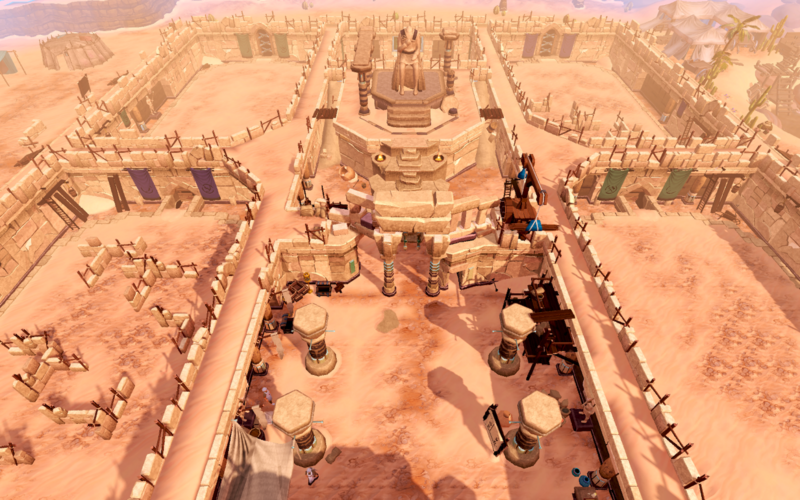
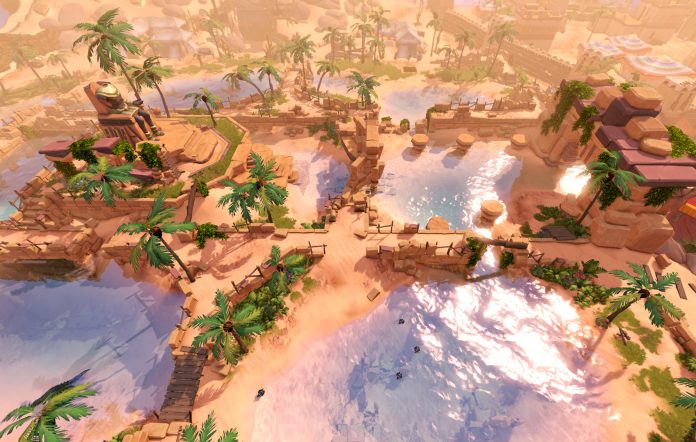
The Duel Arena became known as “The Sand Casino” due to its popularity for gambling
Unlike other gambling methods, the Duel Arena had built-in mechanics to enforce outcomes, making it more legitimate in players’ eyes. Participants could set specific rules for their duels, with “whip” and “boxing” stakes becoming the standard for gambling due to their relatively balanced nature.
Warning: The Duel Arena was eventually removed from OSRS due to its association with problematic gambling behaviors, real-world trading violations, and its negative impact on game integrity.
The Shift to External Platforms
As Jagex increased efforts to curb in-game gambling, the practice began migrating to external platforms. This transition marked a significant evolution in Runescape gambling, creating an entire ecosystem of third-party sites dedicated to facilitating OSRS betting.
Jagex’s Crackdown and Game Rule Updates
Jagex’s stance on gambling gradually hardened as they recognized its negative impacts on the game economy and player experience. Several key updates directly targeted gambling activities:
- Removal of the dice bag in 2012
- Trade limit adjustments to combat real-world trading
- Updates to flower mechanics to make outcomes less predictable
- Explicit rules against player-run games of chance
- The eventual removal of the Duel Arena in 2021
These changes reflected Jagex’s growing concern about gambling’s role in real-world trading (RWT) and its potential legal implications. As each in-game gambling method was restricted, players sought alternatives, ultimately leading to the rise of external gambling platforms.
The Emergence of Third-Party Runescape Casino Sites
As in-game options diminished, dedicated Runescape gambling sites began appearing around 2013-2014. These platforms offered various casino-style games using OSRS gold as currency, operating entirely outside Jagex’s control.

These Runescape casino sites implemented familiar gambling games like dice rolls, roulette, crash, and blackjack. They attracted players by offering more sophisticated gambling experiences than were possible in-game, including provably fair systems, instant results, and a wider variety of betting options.
Provably Fair: Many Runescape gambling sites implemented cryptographic systems allowing players to verify that game outcomes weren’t manipulated. This technology helped establish trust in an otherwise unregulated environment.
How Runescape Gambling Sites Operated
Third-party Runescape gambling sites developed sophisticated systems for handling deposits and withdrawals of OSRS gold, typically following this process:
- Players would request a deposit on the gambling site
- The site would provide instructions to meet an in-game trade character
- After trading gold in-game, the site would credit the player’s account
- Players could then gamble using their site balance
- Withdrawals worked in reverse, with site operators trading gold in-game
This system created significant risks, as players had to trust site operators with their gold during the transfer process. It also violated Jagex’s terms of service regarding real-world trading, as these transactions occurred outside the game’s intended economy.
The Modern Landscape and Risks
Today’s OSRS gambling ecosystem exists primarily on external platforms, though some in-game gambling still occurs through creative methods that circumvent Jagex’s restrictions. This modern landscape presents numerous risks to players, from account security to addiction concerns.
Legacy of the Duel Arena and Current In-Game Risks
The removal of the Duel Arena in 2021 marked a significant milestone in Jagex’s fight against gambling. It was replaced with the PvP Arena, which removed staking functionality. However, creative players continue to find ways to gamble in-game:
- High-risk PvP fights with agreed-upon rules
- Item gambling through creative use of game mechanics
- Wilderness “trust” trades with gambling elements
- Discord-coordinated gambling using in-game activities
These methods typically lack the safeguards of the former Duel Arena, making them even riskier for participants. Jagex continues to update game mechanics and rules to address these evolving gambling methods.
Security and Scam Risks on External Runescape Gambling Sites
Third-party Runescape gambling sites present significant security risks to players. Unlike regulated online casinos, these platforms operate in a legal gray area with little oversight or accountability.
Security Risks of External Gambling Sites:
- Account theft through phishing or malicious links
- Rigged games with manipulated odds
- Exit scams where operators disappear with player funds
- Personal data breaches and identity theft
- Malware distribution through gambling site downloads
The unregulated nature of these sites means players have little recourse if scammed. Many sites operate anonymously, making it impossible to hold operators accountable for fraudulent behavior. Even sites claiming to use “provably fair” systems may manipulate other aspects of the gambling experience.
Real-World Financial and Addiction Concerns
Beyond in-game risks, OSRS gambling has real-world implications. The connection between in-game gold and real-world value (through black market trading) means gambling losses can translate to actual financial harm.

Addiction represents another serious concern. The accessibility and anonymity of online gambling can facilitate problematic behaviors, with some players developing genuine gambling addictions through OSRS. The game’s relatively young player base may be particularly vulnerable to developing unhealthy gambling habits.
“We’ve seen cases where players have lost thousands of dollars worth of in-game gold on these gambling sites. The psychological impact can be just as severe as traditional gambling addiction, but with fewer support resources available.”
Jagex has acknowledged these concerns, citing addiction risks as one motivation for their increasingly strict stance against gambling. However, as long as external platforms exist, these risks will remain a challenge for the OSRS community.
Jagex’s Evolving Response to Gambling
Over the years, Jagex has adapted its approach to combat gambling within the OSRS ecosystem. Their response has evolved from targeted rule enforcement to comprehensive game design changes aimed at eliminating gambling opportunities.
Terms of Service and Rule Enforcement
Jagex has consistently strengthened its Terms of Service regarding gambling activities. Rule 7 explicitly prohibits “player-run games of chance,” giving moderators clear authority to take action against gamblers.
Jagex’s Rule 7: “Player-run games of chance, where game money or items are staked on the outcome of a random event, are not permitted to be run in any game area. This includes (but is not limited to) dice games, flower games, and card games.”
Enforcement has included:
- Temporary and permanent bans for gambling hosts
- Gold confiscation from known gambling accounts
- Chat monitoring for gambling advertisements
- Investigation of suspicious trade patterns
Game Mechanics Modifications
Beyond rule enforcement, Jagex has modified game mechanics to eliminate gambling opportunities. These technical changes have proven more effective than simple rule enforcement, as they remove the possibility of certain gambling methods entirely.
Key Mechanical Changes:
- Removal of free trade (2007-2011)
- Elimination of the dice bag
- Modifications to flower spawning patterns
- Trade limit implementations
- Duel Arena stake caps (before removal)
Recent Major Changes:
- Complete removal of the Duel Arena
- Introduction of the PvP Arena without staking
- Tax on high-value trades
- Enhanced detection of real-world trading
- Restrictions on certain trade patterns
These changes reflect Jagex’s commitment to eliminating gambling from OSRS, though the cat-and-mouse game continues as players find new methods and external platforms to circumvent restrictions.
Community Impact of Runescape Gambling
The prevalence of gambling has significantly shaped the OSRS community and economy in both positive and negative ways. Understanding these impacts provides insight into why gambling remains controversial yet persistent within the game’s culture.
Economic Effects of OSRS Gambling
Gambling has created significant economic ripples throughout the OSRS economy, affecting everything from item prices to gold distribution:
- Gold sink removing currency from the economy
- Market for rare items maintained by wealthy gamblers
- Alternative revenue stream for knowledgeable players
- Increased trading activity in certain areas
Positive Economic Effects
- Price manipulation by gambling syndicates
- Inflation due to real-world trading connections
- Devaluation of skill-based achievements
- Concentration of wealth among gambling hosts
- Destabilization of item prices after big wins/losses
Negative Economic Effects
The economic impact extends beyond the game itself, with some players reportedly making substantial real-world income through hosting gambling activities or operating third-party Runescape gambling sites.
Social Dynamics and Community Division
Gambling has created distinct social divisions within the OSRS community, with players often identifying as pro-gambling or anti-gambling. This division extends to clan structures, friendships, and even content creation.
Community perspectives on gambling vary widely:
- Some view it as harmless entertainment and a legitimate play style
- Others consider it exploitative and damaging to game integrity
- Content creators are divided on whether to feature gambling content
- Clans often establish clear policies either permitting or prohibiting gambling discussion
These divisions have occasionally led to community conflicts, particularly when high-profile players or content creators are involved in gambling controversies. The debate continues to shape how players interact and what content receives attention within the community.
The Future of OSRS Gambling
As both Jagex and the player community continue to evolve, the future of Runescape gambling remains uncertain. Several trends and potential developments may shape how gambling activities continue or change in the coming years.
Potential Regulatory Developments
As online gambling regulations evolve globally, third-party Runescape gambling sites may face increasing legal scrutiny. Several potential regulatory developments could impact this ecosystem:
- Classification of in-game currencies as items of value under gambling laws
- Requirements for gambling licenses for sites accepting virtual goods
- Age verification mandates for platforms offering gambling-like activities
- Cooperation between game developers and regulators to address virtual gambling
These regulatory changes could significantly restrict the operation of third-party gambling sites, potentially driving gambling activities back into the game through creative new methods.
Jagex’s Long-Term Strategy
Jagex appears committed to eliminating gambling from the OSRS ecosystem, with several potential future approaches:
| Potential Strategy | Description | Likelihood | Potential Impact |
| Enhanced Detection Systems | Advanced algorithms to identify gambling-related activities and trades | High | Moderate – will catch obvious gambling but sophisticated methods may persist |
| Legal Action Against Sites | Pursuing operators of third-party gambling sites for IP violations | Medium | High – could eliminate major gambling platforms |
| Further Game Mechanics Changes | Redesigning additional game systems to eliminate gambling possibilities | High | Moderate – players often find creative workarounds |
| Sanctioned Gambling Activities | Introducing controlled, limited gambling with safeguards | Very Low | Mixed – could reduce external gambling but normalize the activity |
Jagex’s approach will likely continue to evolve based on player behavior, regulatory requirements, and the effectiveness of their current measures.
Conclusion: The Persistent Nature of OSRS Gambling
The evolution of OSRS gambling from simple flower games to sophisticated third-party platforms demonstrates the persistent nature of gambling activities within gaming communities. Despite Jagex’s increasingly strict measures, gambling continues to adapt and find new expressions within and around the OSRS ecosystem.

This persistence reflects both the appeal of gambling as an activity and the challenges of regulating virtual economies. As long as in-game currency holds real-world value (even unofficially), gambling will likely remain an attractive activity for some players.
Make Informed Decisions About OSRS Gambling
Whether you’re curious about OSRS gambling history or considering participating, remember that understanding the risks is essential. Jagex prohibits gambling activities, and participation can result in account penalties. External platforms pose significant security and addiction risks.
Review Jagex’s Official TermsThe story of OSRS gambling serves as a fascinating case study in virtual economies, player behavior, and the challenges of game management. As OSRS continues to evolve, so too will the complex relationship between the game, its players, and the persistent desire to test luck through gambling activities.
Frequently Asked Questions About OSRS Gambling
Is gambling allowed in OSRS?
No, Jagex explicitly prohibits player-run games of chance in OSRS. Rule 7 of the game’s Terms of Service forbids gambling activities where in-game items or currency are staked on random outcomes. Participating in such activities can result in warnings, temporary bans, or permanent account closure.
What happened to the Duel Arena?
The Duel Arena was removed from OSRS in January 2022 due to its association with problematic gambling, real-world trading, and other issues affecting game integrity. It was replaced with the PvP Arena, which maintains the combat aspect but removes the staking (gambling) functionality.
Are third-party Runescape gambling sites safe?
No, third-party Runescape gambling sites pose significant risks including account theft, scams, and unfair games. Additionally, using these sites violates Jagex’s Terms of Service and can result in account penalties. These platforms operate without regulation or oversight, making them inherently risky for players.
What is flower poker in OSRS?
Flower poker was an early gambling method where players would plant mithril seeds to produce random colored flowers. The colors would be interpreted as poker hands (like three of a kind or a flush), with players betting on who would get the best hand. Jagex has since modified flower mechanics to discourage this practice.
Can I get banned for gambling in OSRS?
Yes, participating in gambling activities in OSRS can result in account penalties including temporary or permanent bans. Jagex actively monitors for gambling behavior and has increasingly strict enforcement policies. Hosting gambling activities typically results in more severe penalties than participating.